Octopus Celtic Review
As an embroidery designer and product reviewer, I often find myself evaluating digital designs for real-world use. The Octopus Celtic design pack caught my attention not just for its name, but for the visual storytelling it promises. This set of 100 unique quote designs in multiple formats offers a range of possibilities for creative entrepreneurs, crafters, and small business owners. But how does it perform when actually stitched onto fabric?
First Impressions: A Design That Speaks Volumes
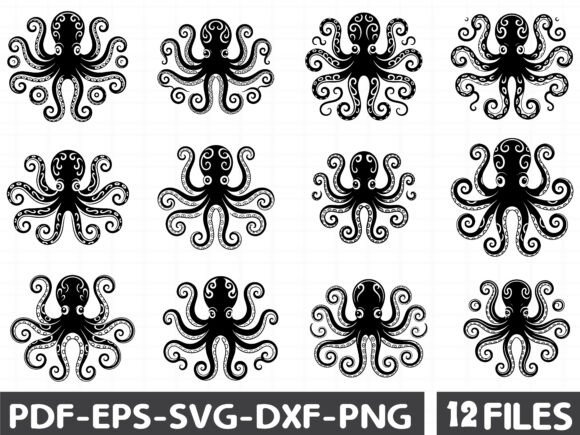
The Octopus Celtic design immediately evokes a sense of mystery and whimsy. Its intricate patterns and flowing lines suggest a blend of ancient symbolism with modern artistry. The layout is balanced yet dynamic, making it suitable for a variety of projects. Whether you're looking to add a touch of elegance or a playful twist, this design has the versatility to fit different styles.
The detail level is impressive, with enough complexity to stand out on its own without overwhelming the viewer. It’s clear that these designs were crafted with care, making them ideal for custom apparel, baby items, or personalized gifts. The visual personality of Octopus Celtic leans toward the artistic and narrative, which makes it perfect for handmade products that tell a story.
Real-World Embroidery Use: What Works and What Doesn’t
When considering an embroidery file for real use, practicality is key. The Octopus Celtic design works well on larger hoop sizes, where the intricate details can be fully realized. However, if you're working with smaller hoops, some elements may get lost or require careful placement. This is something to keep in mind when planning your project, especially if you're aiming for precision in every stitch.
On textured fabrics, the design holds up reasonably well, but it might benefit from a bit more stabilizer to prevent puckering or distortion. For thin or stretchy materials, such as t-shirts or baby clothes, it's important to test the design first. The stitch density is moderate, so it should work on most standard embroidery machines without causing strain or thread breakage.
One area where Octopus Celtic could be tricky is on dark fabrics. While the design is visually striking, the contrast between the stitches and the background may not be as sharp as on lighter colors. If you’re planning to use it on a black sweatshirt or tote bag, consider adjusting the thread color or using a light-colored underlay to enhance visibility.
Where to Use It Carefully: Common Pitfalls
There are certain scenarios where Octopus Celtic might not be the best choice. For example, on curved surfaces like caps or hoods, the design could appear distorted if not properly adjusted. Similarly, detailed corners or tiny lettering may not translate perfectly without some manual tweaking. If you're working on a patch or applique design, make sure the edges are clean and well-defined to avoid any fraying or misalignment.
Dense stitch areas can sometimes cause the fabric to pucker, especially if the stabilizer isn’t adequate. This is something to watch for, particularly when using the design on thinner or more delicate materials. Also, if you're planning to sell finished products, always confirm the licensing terms before proceeding. Some designs may have restrictions on commercial use, so it’s essential to check the fine print.
Impact on Visual Appeal and Customer Perception
When it comes to visual appeal, Octopus Celtic adds a unique flair to any project. Its intricate details and artistic nature can elevate the perceived value of a handmade product or custom apparel. Customers often look for something that stands out, and this design offers that potential. Whether it’s a personalized gift or a boutique item, the design can help create a memorable impression.
In terms of stitching clarity, the design performs well, provided the correct settings are used. The balance between satin stitch and fill stitch ensures that the design remains cohesive without appearing too busy. This makes it a great option for both personal and commercial projects, as long as the execution is precise.
Practical Designer Notes: What to Check Before You Start
Before jumping into an embroidery project with Octopus Celtic, there are several things to consider. First, always test the design on scrap fabric to see how it looks in practice. This will help you identify any issues with stitch density, thread color contrast, or stabilizer needs.
Review the file format compatibility with your embroidery machine. While the design is available in SVG, PNG, DXF, EPS, and PDF, not all machines support every format. Make sure to choose the one that works best for your equipment.
For small business owners or Etsy sellers, the design can be a valuable addition to your product line. However, ensure that it aligns with your brand’s aesthetic and that the final product meets customer expectations. If you're creating printable mockups or digital product previews, the design should be high-resolution and easy to scale without losing quality.
Final Thoughts: A Design Worth Considering
Overall, the Octopus Celtic design pack offers a solid foundation for creative projects. Its artistic appeal, combined with practical usability, makes it a good choice for embroidery designers, crafters, and small business owners. While it may not be perfect for every situation, it has the potential to enhance a wide range of products, from custom apparel to holiday gifts.
If you’re looking for a design that adds character and uniqueness to your work, Octopus Celtic is worth exploring. Just remember to test it thoroughly, adjust for fabric type and machine settings, and always verify licensing before selling. With the right approach, this design can become a valuable asset in your creative toolkit.